After-Hours Service Fees: Rate Ladder by Trade (2026)
Short answer: After-hours work bills at 1.5x the day rate on weeknights, 2x after 9 PM, 2x to 2.5x on Sundays, and 2x to 3x on statutory holidays. The bigger lever is the trip fee: a daytime call-out of $89-$250 goes to $200-$500 after hours. Publish both before the phone rings, because customers do not argue with a posted policy. They argue with a number that appears for the first time on the invoice.
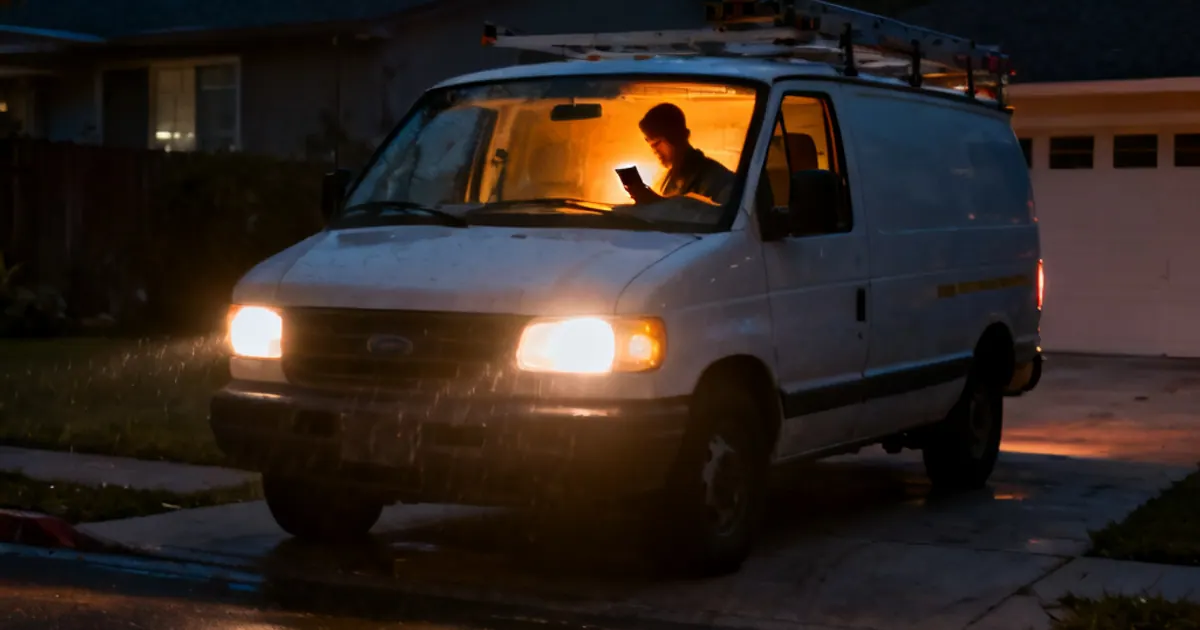
It is 11:47 PM on a Sunday. The phone rings. A customer has water coming through their kitchen ceiling. They want to know two things: can you come, and how much. The second question is where most service businesses lose money or lose customers, sometimes both in the same call.
After-hours pricing is one of those topics where the right number depends on your trade, your market, your tolerance for sleep disruption, and how much you trust the customer on the other end of the line. There isn't a single rate. There is a structure most established shops converge on, with a few patterns that separate the operators making real money on emergencies from the ones who keep getting woken up at 2 AM and resenting it.
This is a walk through what plumbers, HVAC techs, locksmiths, and electricians are actually charging for after-hours work in 2026, why the trip fee matters more than the hourly rate, and how to set rates that pay properly without becoming the shop customers warn each other about.
What does "after hours" actually mean?
Before talking about multipliers, it helps to define the windows. Most trades use roughly the same cutoffs (with some variance by region and by how recently the shop owner has been burned by a 3 AM call):
- Standard hours: Monday to Friday, 8 AM to 5 PM (some shops stretch to 7 AM-6 PM)
- Weeknight after-hours: 5 PM to ~9 PM weekdays
- Late-night: 9 PM to 6 AM
- Saturday daytime: Often its own tier, between weeknight after-hours and Sunday rates
- Saturday evening through Sunday: Weekend rate
- Statutory holidays: The highest tier
The exact cutoffs are less important than publishing them. Customers don't argue with a posted policy. They argue with a number that appears for the first time on the invoice.
The 1.5x / 2x / 3x ladder
The industry-standard spread on after-hours pricing in 2026 lands like this. These are customer-facing rate multipliers - what your invoice shows, not what your tech takes home.
- Weeknight after-hours (5-9 PM): 1.5x daytime rate
- Late-night (9 PM-6 AM): 2x daytime rate
- Saturday daytime: 1.5x
- Saturday evening / Sunday: 2x-2.5x
- Statutory holiday: 2x-3x (some shops bill triple-time, especially in trades where techs flat-out refuse holiday work below that)
The PlumbingZone overtime threads (which are basically a long-running peer review of what works and what doesn't) land squarely on this ladder, with a few operators charging 3x as much for late-night calls explicitly as a screening tool - the framing being that if it's a real emergency, the customer will pay; if it isn't, they shouldn't have called. That's not cynical. That's how you protect your weekends without becoming the cheapest 24/7 number on the answering service.
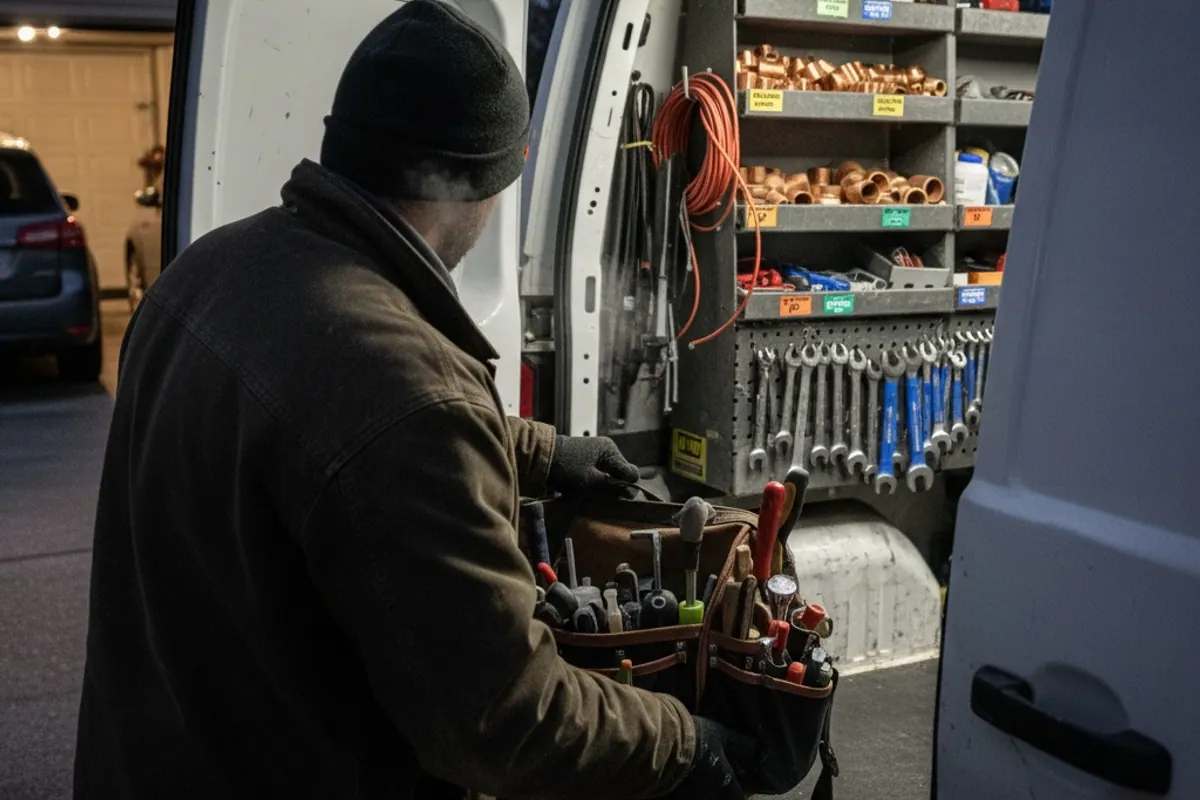
What the multiplier actually covers is more than just the hour you're billing. It's the night of broken sleep, the partner you woke up backing out of the driveway, the work day tomorrow you're now operating at 70%, and the windshield time getting to the job at 1 AM with no traffic to slow you down but also no coffee to wake you up. Pricing it like a regular hour with a small markup is how the trade ends up resenting its own customers.
Why does the trip fee matter more than the hourly rate?
This is the part most operators get wrong. The multiplier on the hourly rate is the obvious lever - it's the one customers see, the one industry articles benchmark, the one you put on your website. But the lever that actually differentiates after-hours pricing in 2026 is the trip fee, sometimes called the dispatch fee or service-call fee.
A typical structure looks like this:
- Standard daytime trip fee: $89-$250 (varies by trade and market)
- After-hours trip fee: $200-$500
- Is the trip fee credited toward the job? Sometimes yes, sometimes no - and this is where customers get angry when nobody told them
One PlumbingZone contributor put it cleanly: same flat hourly rate after-hours, but the trip charge goes from $89 to $289. The customer sees the hourly rate they expected, the operator pockets a meaningful premium, and the invoice math feels less punitive than "2x your standard rate." Same total, different psychology.
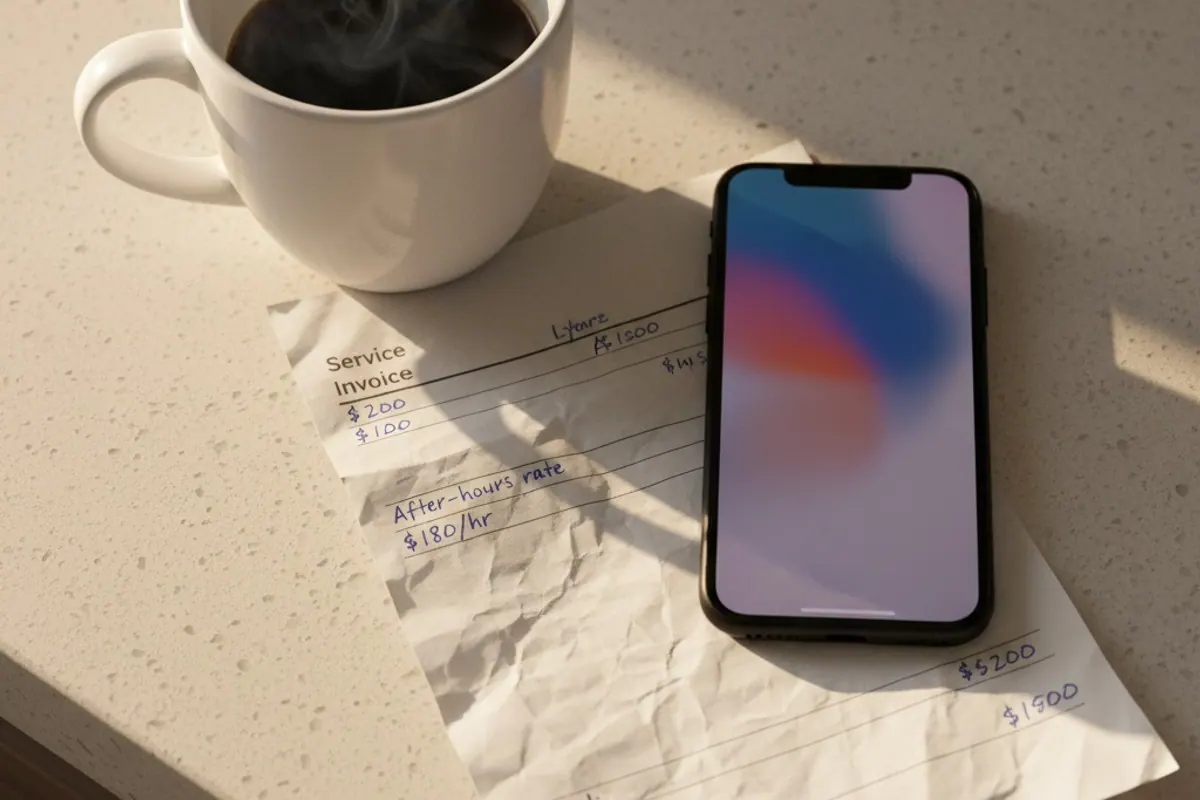
The trip fee is where you should be doing most of the after-hours premium work, for two reasons. First, customers psychologically anchor on the hourly rate, so a smaller hourly multiplier paired with a stiffer trip fee reads as more reasonable on the invoice. Second, the trip fee compensates you for the parts of the call that have nothing to do with the actual work - the drive, the dispatch coordination, the disruption.
For the math on what your shop actually needs to charge to make this work (overhead, billable hours, target income), the FixyFlow hourly rate calculator walks through it without an email gate.
Minimum-hour billing - the rule nobody warns the customer about
A 20-minute fix at 2 AM should not pay 20 minutes of revenue, because the 20-minute fix took the same disrupted night as a 90-minute one. The mechanism most trades use to handle this is a minimum-hour billing rule on after-hours calls. Common structures:
- 1-hour minimum - standard for daytime work in most trades
- 2-hour minimum - common for after-hours work, especially HVAC and plumbing
- Job-rate flat fee - some shops bypass hourly entirely and charge $350-$500 minimum per after-hours visit regardless of duration
The minimum is the thing that turns an unprofitable emergency into a profitable one. Without it, a tech who races out at 11 PM, fixes the leak in 22 minutes, and drives home at 1 AM has effectively donated their night for a $50 invoice (minus fuel). With a 2-hour minimum at an after-hours rate, the same call is closer to $400 - which is what it needs to be for the shop to keep taking these calls.
The catch (and you saw this coming) is that the customer has to be told before dispatch. A 2-hour minimum that lands as a surprise on a paid invoice is one of the most common triggers for a one-star Google review. A 2-hour minimum that the customer texted "yes" to before you left the house is a non-event.
Trade-by-trade pricing patterns
The general structure holds across trades, but each trade has its own pricing personality. Worth noting: when the multipliers in the section below get applied to actual hourly wages, they translate to real pre-overhead labour costs - the U.S. Bureau of Labor Statistics wage data for plumbers is a useful baseline for sanity-checking what 1.5x or 2x of standard rate actually means at the journeyman level.
Plumbers
The most multiplier-driven trade. Burst pipes are visibly catastrophic, customers expect to pay a premium, and most established shops layer a 1.5x weeknight / 2x late-night / 2x-3x holiday multiplier on top of a $150-$250 dispatch fee with a 1- or 2-hour minimum. Toronto and GTA plumbers cluster around $90-$150/hr standard and $200-$350/hr emergency. The detailed math is in the plumber hourly rate guide.
HVAC technicians
Similar structure to plumbing but with brutal seasonality. A January cold snap or July heatwave turns every call into a premium-rate emergency, which means HVAC shops have to be especially disciplined about their cutoffs (or they end up running emergency rates 18 hours a day for six weeks). Common: 2-hour minimum, double-time Sundays and holidays, service-call fee of $150-$500. Whether the service-call fee is credited toward the job is the single biggest source of HVAC pricing complaints.
Locksmiths
Locksmithing is a different game entirely. The customer-facing pricing is poisoned by bait-and-switch listings on Google ads (the famous "$19 lockout" that turns into a $250 invoice on site), so legitimate operators win not by pricing competitively but by over-disclosing pricing before dispatch. Industry standard for after-hours residential lockout is a $150-$250 fixed minimum, not an hourly multiplier. ALOA membership (Associated Locksmiths of America) is the closest thing to a trust signal in this trade, and reputable locksmiths quote the full price - trip + service + parts - before they roll the truck.
Electricians
The trade most likely to use a flat surcharge rather than a multiplier. A typical structure is the standard hourly rate plus a $100-$200 after-hours surcharge, with a 1-hour minimum. Genuine emergency electrical work (no power to a panel, sparking outlet, dangerous arc-fault situation) is rarer than emergency plumbing or HVAC, so the after-hours volume is lower and pricing is less standardized. Some electricians simply won't take after-hours calls at any price - their rate is "no, see you Monday." The Ontario electrician rate post shows why a flat surcharge fits their first-hour pricing model.
Ontario rules vs American rules: where do they differ?
If you're an Ontario operator, there are a few legal realities worth knowing about that contradict what most American pricing articles assume.
First, Ontario's Employment Standards Act (the labour one, not the electrical one - confusingly, both are abbreviated ESA) requires 1.5x overtime pay for employees who work more than 44 hours a week. Statutory holidays require public holiday pay plus premium pay at 1.5x. Many Canadian operators assume Sunday and stat holiday work mandates double-time. It doesn't. That's a voluntary convention most shops adopt because techs won't show up on Christmas Day for time-and-a-half, but it's not legally required.
Second, if you're a self-employed tradesperson or independent contractor, ESA doesn't apply to you at all. You set your own rates. There is no legal cap on what an Ontario contractor can charge for after-hours work. The ESA (Electrical Safety Authority) regulates electrical contractor licensing, not labour rates. The OEB (Ontario Energy Board) regulates utility rates, not contractor pricing. No municipal bylaw caps emergency contractor pricing in Toronto, Hamilton, Mississauga, or anywhere else in Ontario.
Third (and this is the one that matters operationally), Ontario's Consumer Protection Act requires a written estimate for services above $50 if the customer requests one, and the final invoice cannot exceed the estimate by more than 10% without the customer's written approval. After-hours work is not exempt. The practical version: text the customer your trip fee, hourly rate, and minimum-hour billing before you leave the house, get a written "yes" back, and you've covered the legal requirement plus most of the complaint patterns that show up later as bad reviews.
One related industry-side dynamic: HVAC shoulder-season pricing strategy is a long-running thread in the trade press, and ACHR News on shoulder-season revenue patterns is the standard reference if you want to see how established HVAC contractors structure their off-peak after-hours pricing to keep techs employed without giving away weekend hours.
Which companies guarantee no after-hours service fees?
Some HVAC and plumbing companies, mostly the larger franchises and the ones selling membership plans, advertise "no overtime charges" or "no after-hours fees, ever." The fee has not disappeared. It has moved. Three places it usually goes:
- A higher flat-rate book. Every job in the price book carries a margin wide enough to absorb the occasional 11 PM call. Daytime customers pay a little more so that night-time customers pay the same.
- A membership plan. The no-after-hours-fee promise is a member benefit. The customer pays the plan fee every month or every year whether or not they ever call at night.
- A larger dispatch fee. The hourly rate stays the same around the clock and the trip fee does the work. Same total, different label, which is the trip-fee psychology covered above.
For a homeowner, "no after-hours fee" is worth checking line by line: ask for the trip fee, the minimum billed time, and whether the plan fee is required to get the promised rate. For an operator, the honest version of the promise is a published policy that says what the customer pays at 2 AM before they call. You can copy the guarantee, but only if your daytime margin can carry the night calls. Most 1-3 person shops cannot, and should not pretend to.
The text-message rate confirm that saves your Google reviews
The pattern that separates shops who run profitable after-hours operations from ones who quietly stop taking emergency calls is almost always communication, not pricing. The pricing is somewhere in the ranges above. The communication is whether you got the rate confirmed in writing before the truck rolled.
A typical bad-review trail for an after-hours plumbing call looks like this: customer calls at 10 PM, plumber confirms verbally they'll be 45 minutes out and the work will be billed at "our after-hours rate." Plumber arrives, fixes the leak in 35 minutes, presents an invoice for $487. Customer is shocked because they assumed $487 was 3 hours of work, not a 1-hour minimum at the 2x rate plus a $200 after-hours trip fee. The work was fine. The communication wasn't. The Google review is a one-star, and it cost the shop more in lost future leads than the $487 was worth.
The fix is a single text message before dispatch: "Confirming a $200 after-hours trip fee plus $180/hr with a 2-hr minimum. Total estimate $560 plus parts. Reply YES to confirm." The customer either agrees (and the shock disappears from the equation) or declines (and you got your night back). Both outcomes beat the bad review.
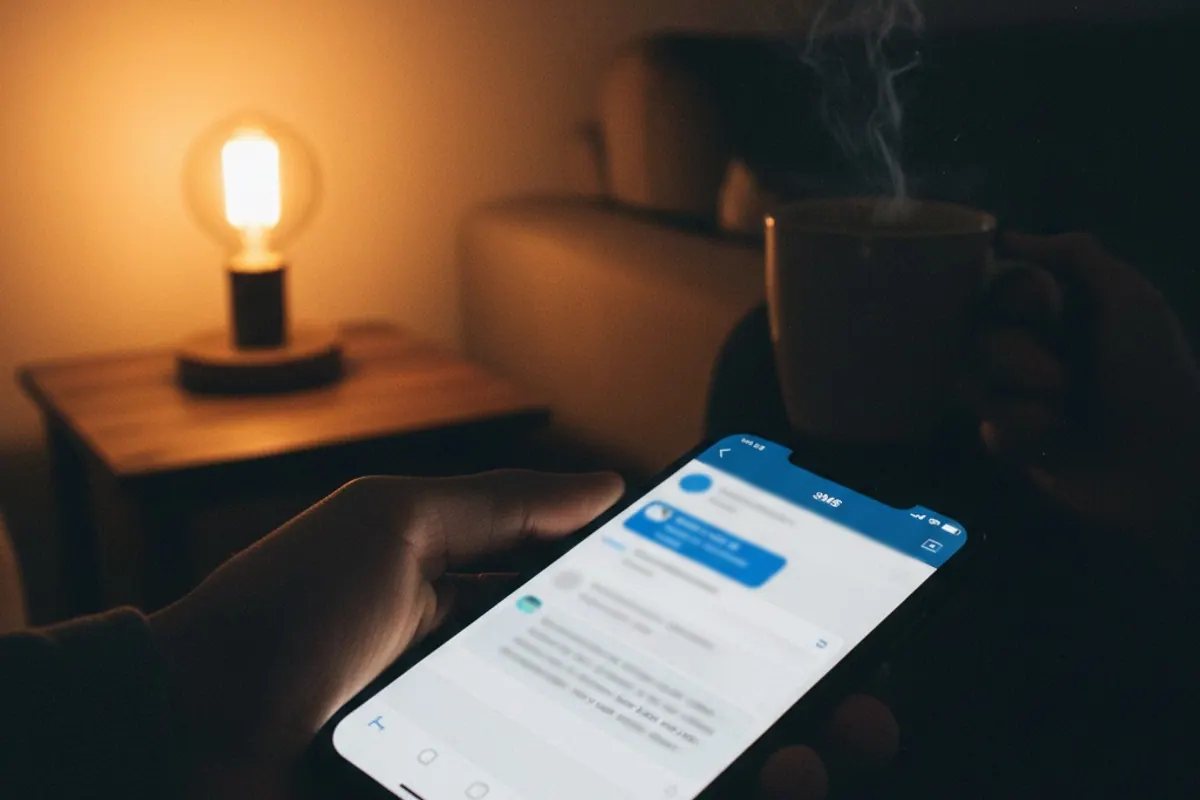
This is part of the broader problem of customer silence and 3-star reviews - the work was fine, the comms were not, the reputation took the hit. Get the rate in writing before dispatch and most of the after-hours review risk disappears.
FixyFlow handles the rate confirmation as a templated text on every job - you tap dispatch, the customer gets the trip fee, hourly rate, and minimum-hour estimate in writing, and the "yes" or "no" lands in the job thread before you leave the house. Try it free for 14 days if you want to stop having the rate-confirmation conversation by voice memory.
Pricing checklist for after-hours work
If you're rebuilding (or building from scratch) your after-hours pricing in 2026, here's the shortlist:
- Publish your cutoffs - what's daytime, what's evening, what's late-night, what's weekend, what's holiday
- Set multipliers on the ladder (1.5x / 2x / 2-3x) appropriate to your trade and market
- Decide whether the trip fee is the main premium lever (recommended) or the hourly multiplier is
- Set a minimum-hour billing rule for after-hours calls (1 or 2 hours, or a flat job rate)
- Decide whether the trip fee credits toward the job - tell the customer either way
- Send the full rate breakdown in writing before dispatch on every emergency call
- Get a written "yes" back before the truck rolls
None of this is complicated. It's just easy to skip when the phone is ringing at 11:47 PM on a Sunday and you're trying to find your boots. Which is exactly when skipping it costs the most.
— Lasse
Built FixyFlow in Collingwood